Pickleball is one of the fastest-growing sports in the world, attracting players of all ages with its exciting pace and accessibility. Whether you’re planning to build a court in your backyard or for a sports complex, two key considerations will determine the quality of your court: the correct dimensions and the most suitable surface. Getting both right ensures a safe, enjoyable, and professional playing experience.
Understanding the official pickleball court size is essential before any construction begins. According to USA Pickleball guidelines, a regulation court measures 20 feet wide by 44 feet long. This size remains the same for both singles and doubles play, making it easy to adapt for various types of matches. In addition to the court itself, you’ll also need additional space around the perimeter—typically a total area of 30 feet by 60 feet—to provide adequate room for players to move and avoid obstructions. Proper planning of this layout is key to smooth gameplay and injury prevention.
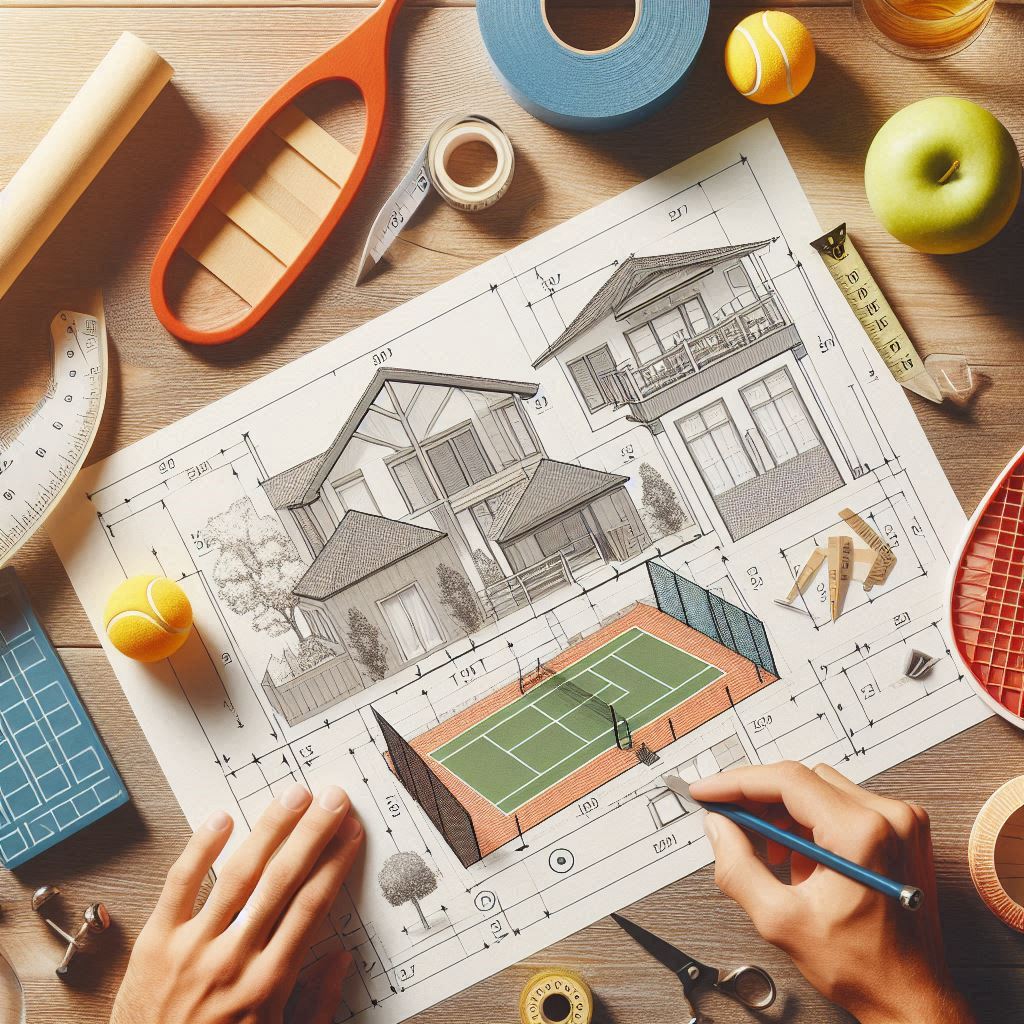
The layout also includes several important lines: baselines, sidelines, service areas, and the non-volley zone, commonly referred to as “the kitchen.” These zones are critical to the game’s structure and must be marked accurately. When designing your court, proper orientation (typically north-south) helps minimize sun glare during play.
Once dimensions are established, attention turns to the best pickleball court surface. The surface you choose greatly impacts the feel of the game, player comfort, and long-term maintenance. For outdoor courts, the most common base is asphalt or concrete. These are then finished with acrylic sports coatings designed specifically for pickleball. These coatings provide excellent traction, weather resistance, and UV protection, making them ideal for year-round play.
For players seeking a more forgiving surface, cushioned coating systems are a fantastic option. These are especially popular in community centers and senior living facilities, as they reduce stress on joints without compromising the bounce or pace of the game. Indoor courts often use modular tiles made from materials like polypropylene. These tiles are easy to install, slip-resistant, and low-maintenance, making them ideal for gyms and recreational spaces.
 pulsemarket
Leave a comment